
Glute Anatomy (Foundation Section)
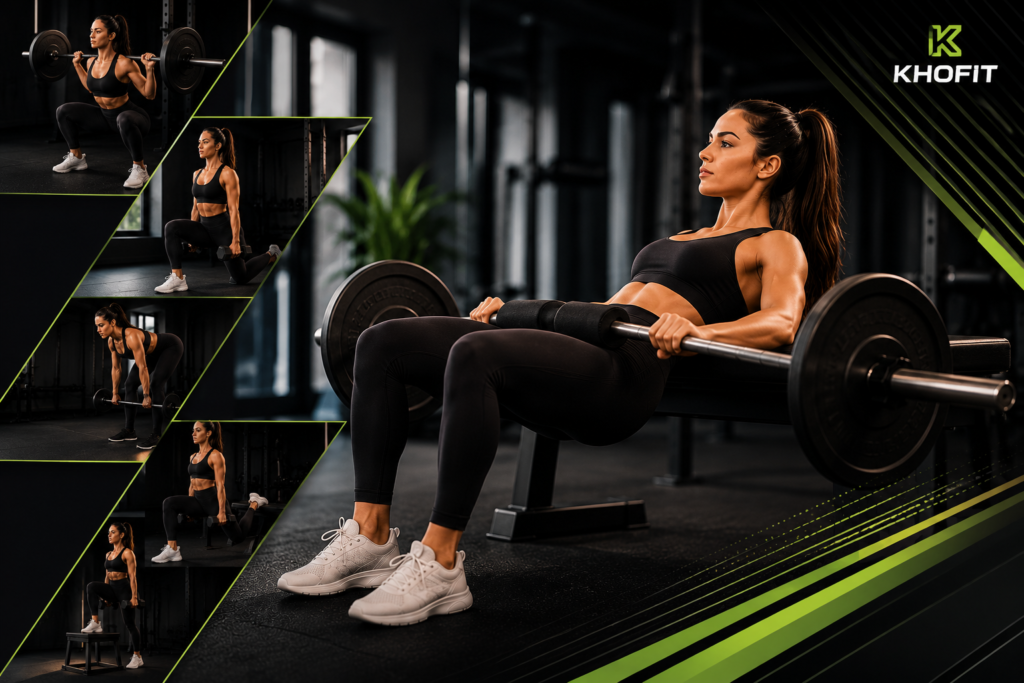
Gluteus Maximus
This is the largest muscle. It helps in hip extension and powerful movements like running and lifting.
Gluteus Medius
This muscle controls hip stability. It prevents knee collapse during walking and running.
Gluteus Minimus
This supports balance and keeps the hips aligned during movement.
Top Glute Exercises
Compound Exercises (Strength Builders)
- Barbell Hip Thrust Builds maximum strength
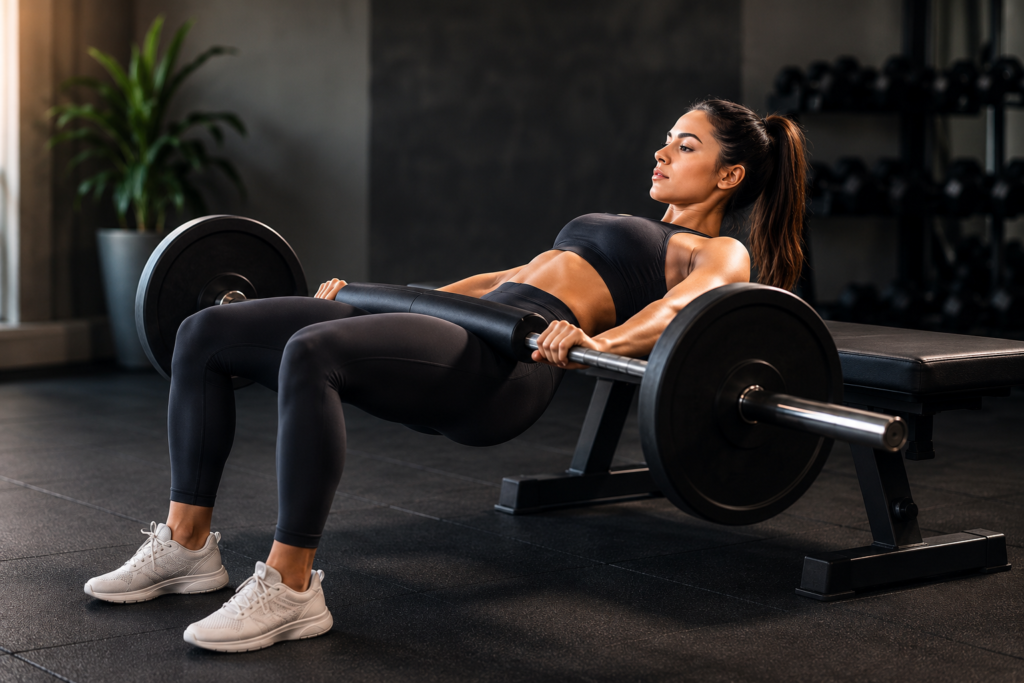
- Walking Lunges Improves balance and coordination
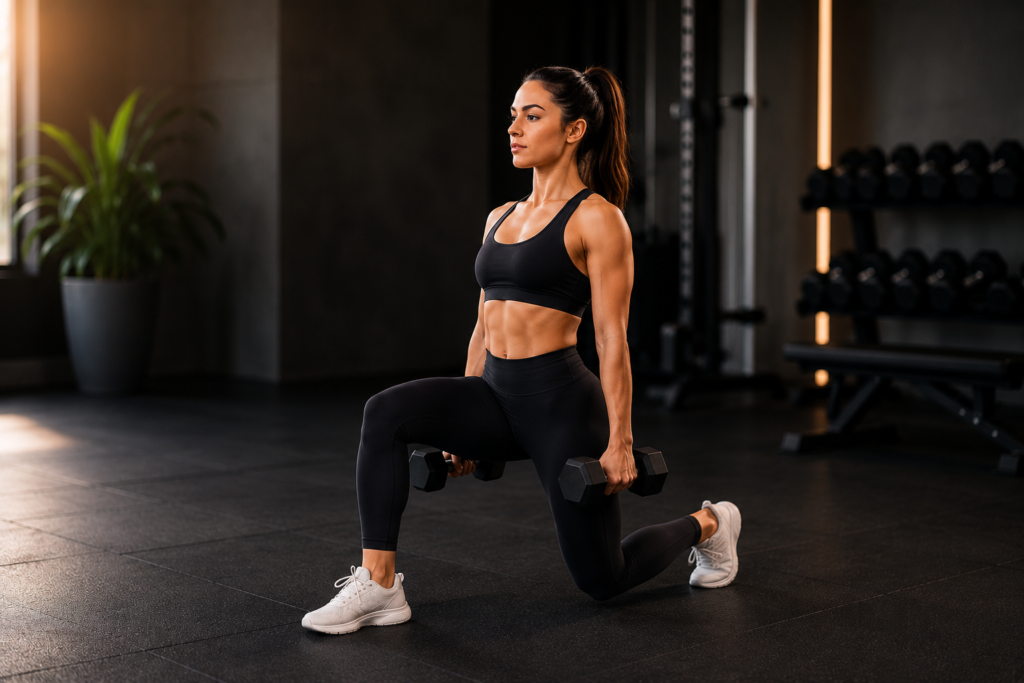
- Romanian Deadlift Targets glutes and hamstrings
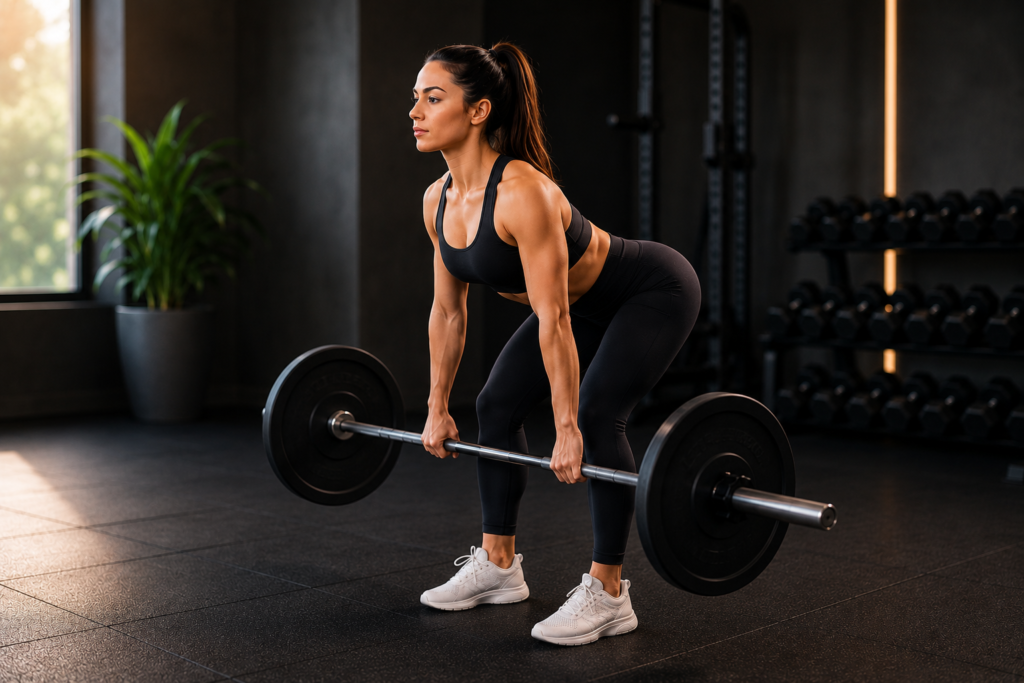
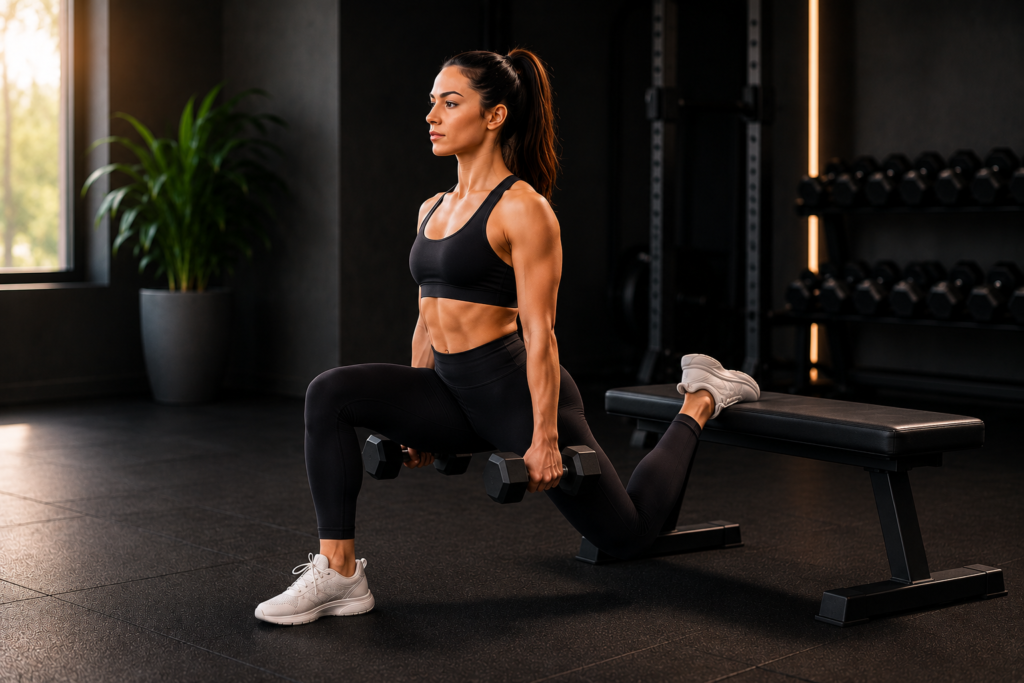
- Bulgarian Split Squat Builds single leg strength
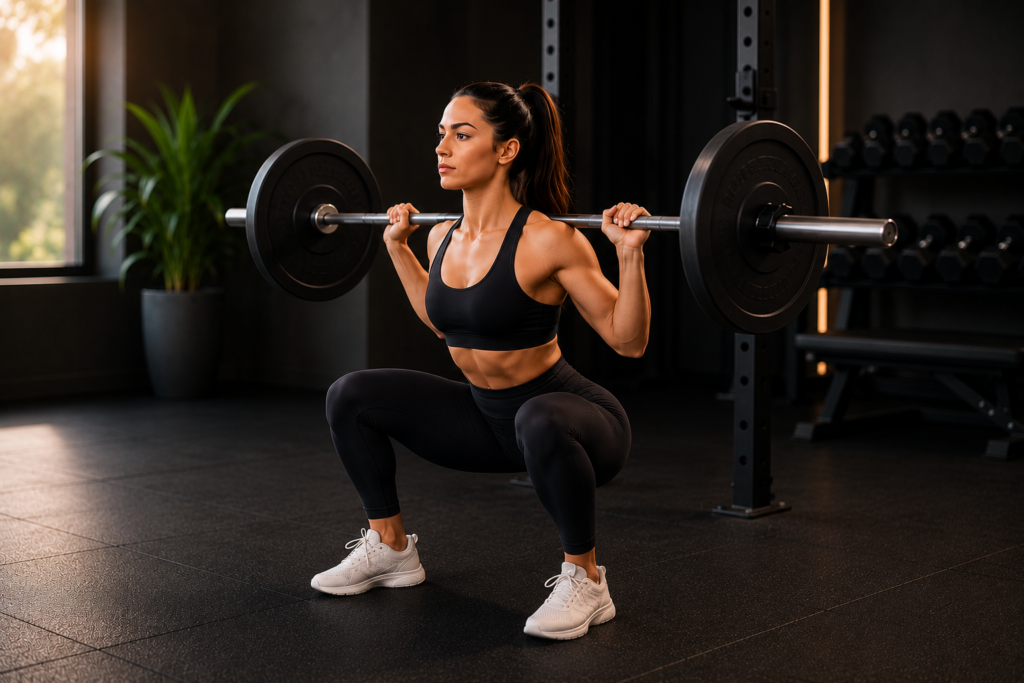
- Back Squat Develops full lower body power
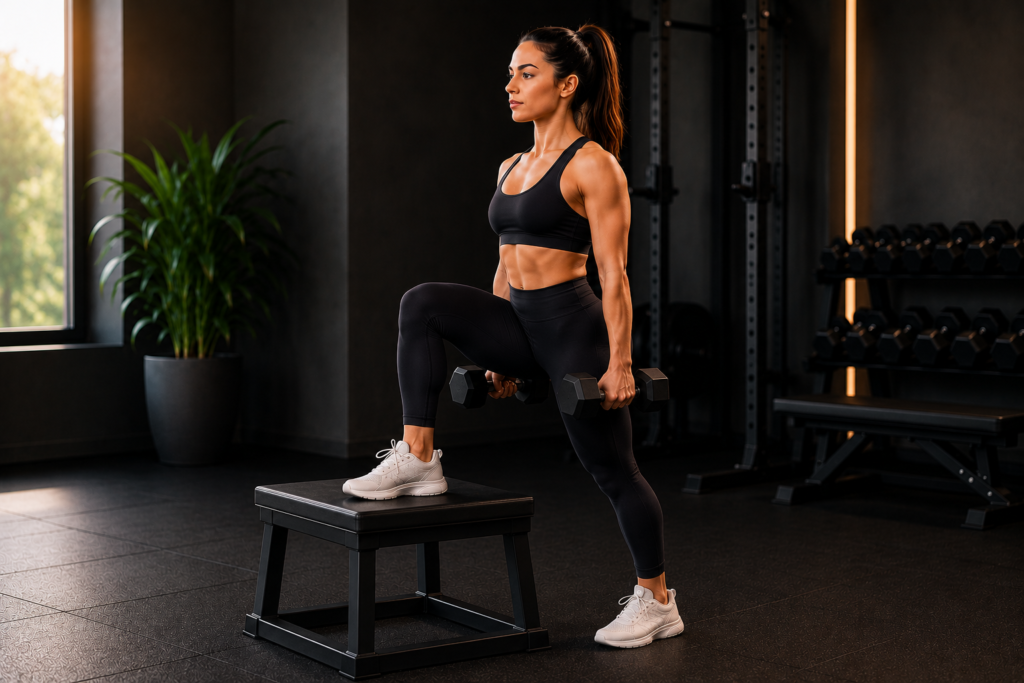
- Step-Ups Improves stability and function
Isolation Exercises (Activation Focus)
- Glute Kickbacks Direct glute contraction
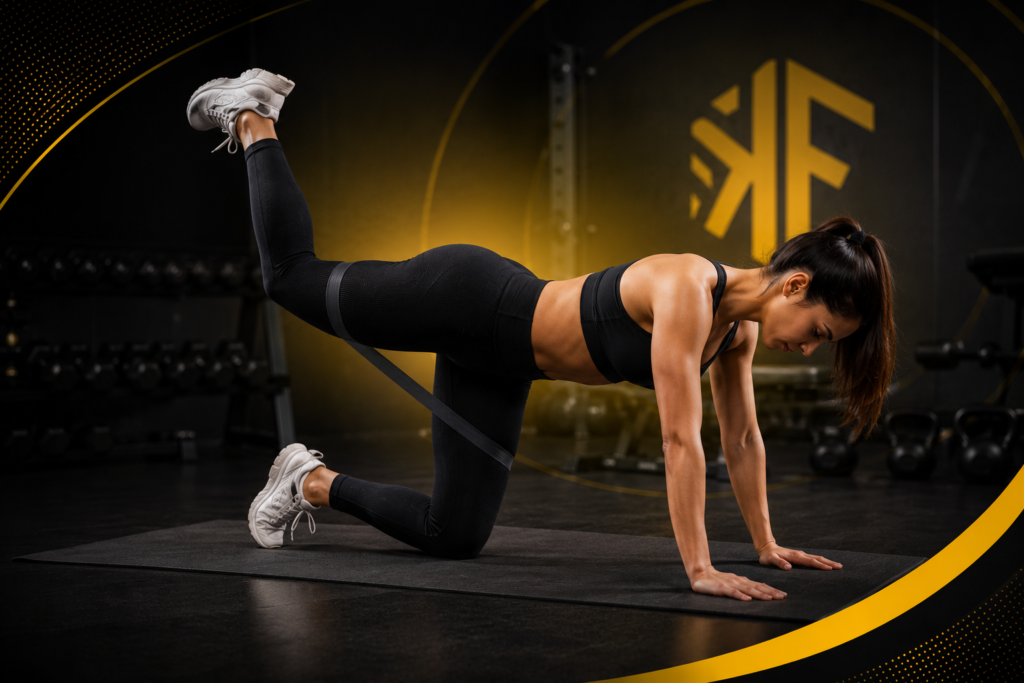
- Hip Abduction Strengthens side glutes
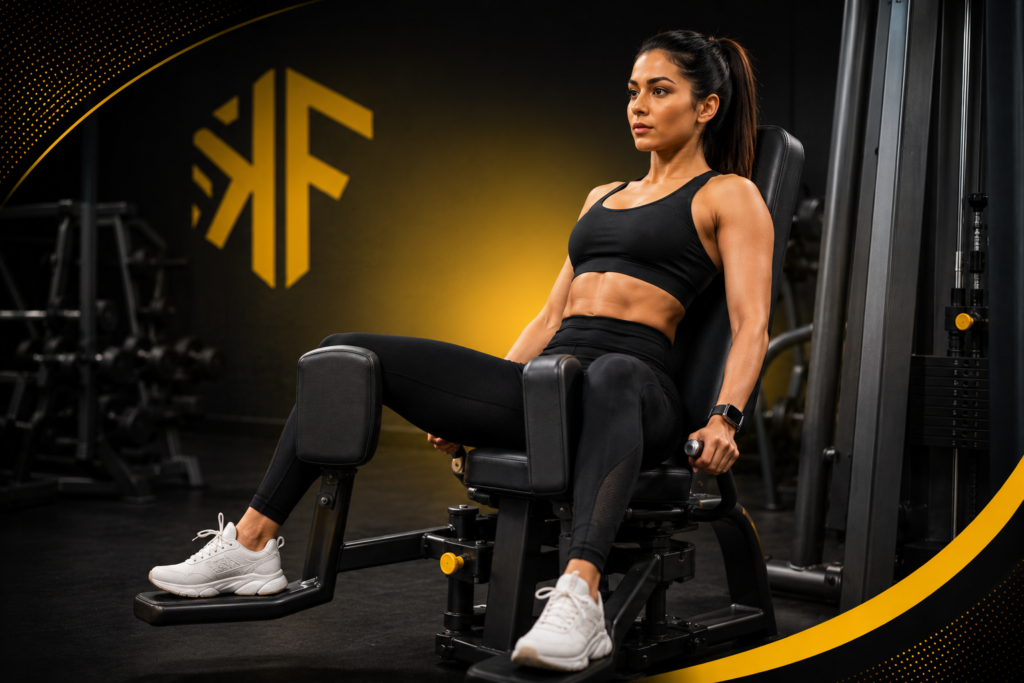
- Glute Bridge Beginner friendly activation
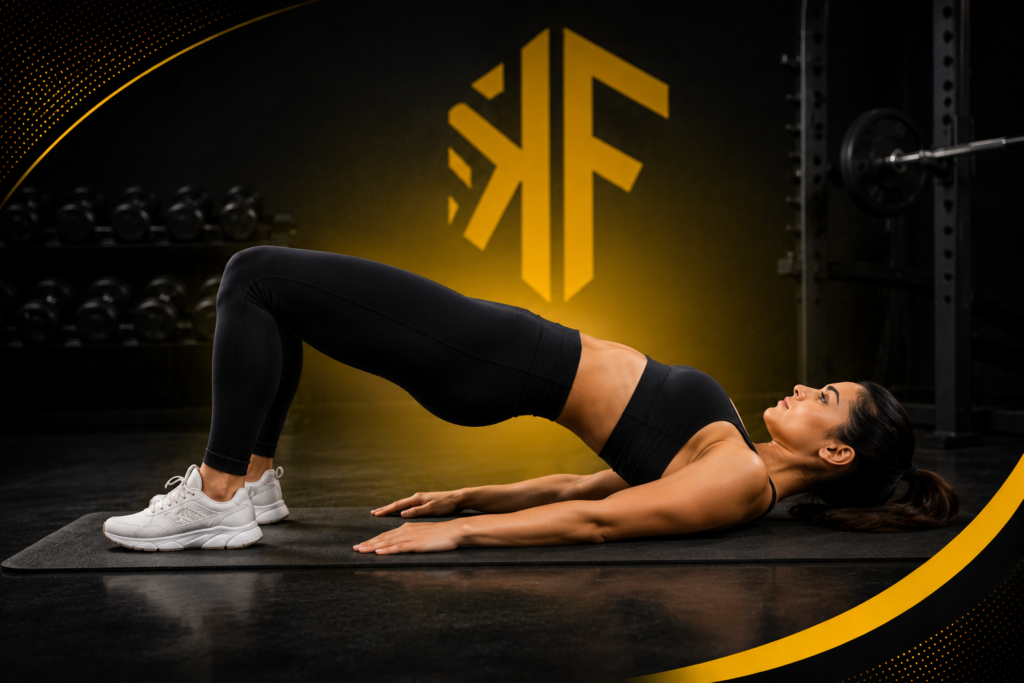
- Frog Pumps High rep muscle burn
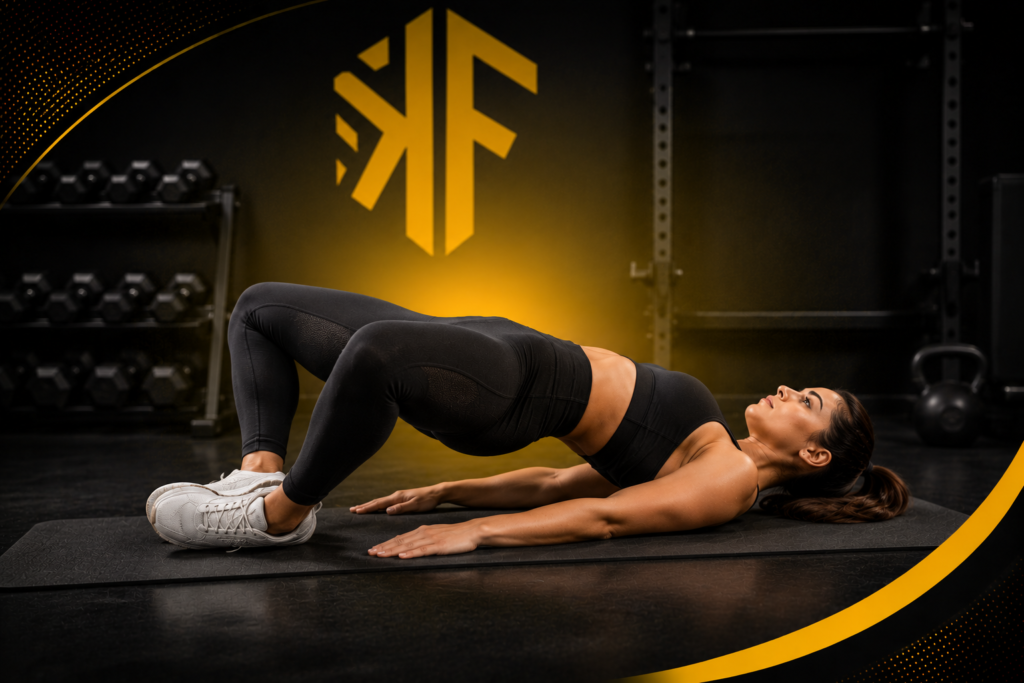
- Back Extension Strength with support
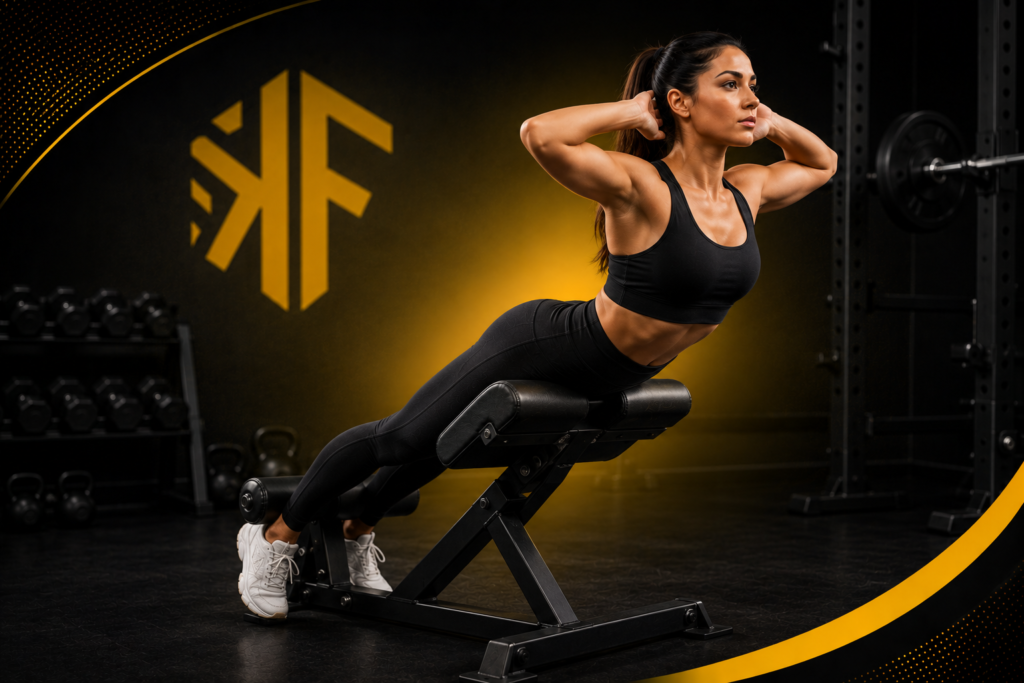
Bodyweight / Home Exercises
- Air Squats Basic strength movement
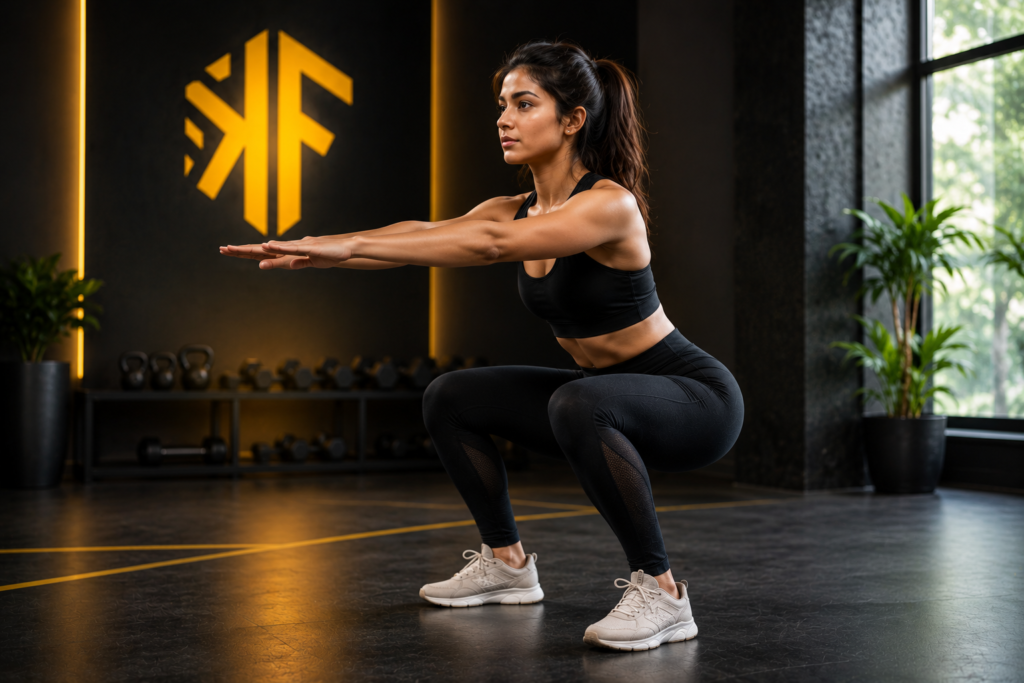
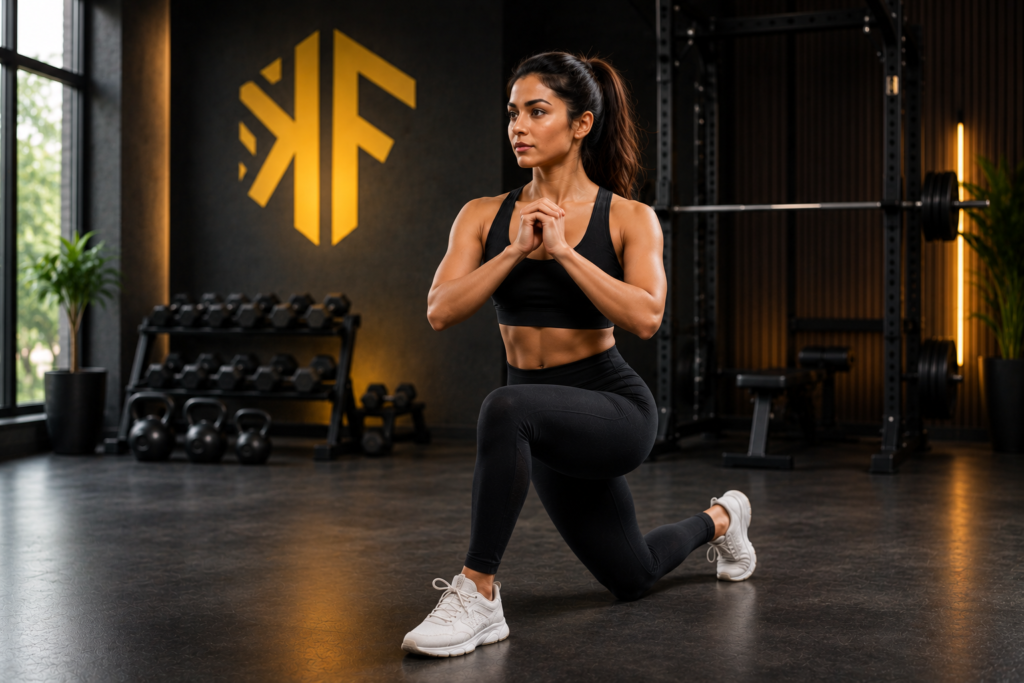
- Curtsy Lunges Targets side glutes
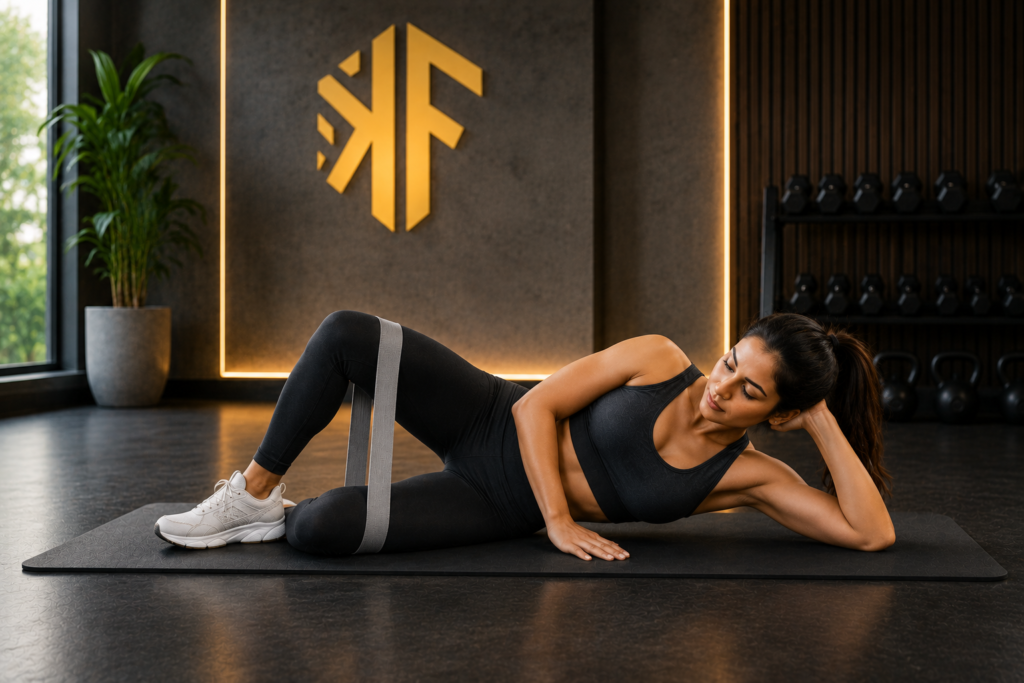
- Clamshells Activates hip stabilizers
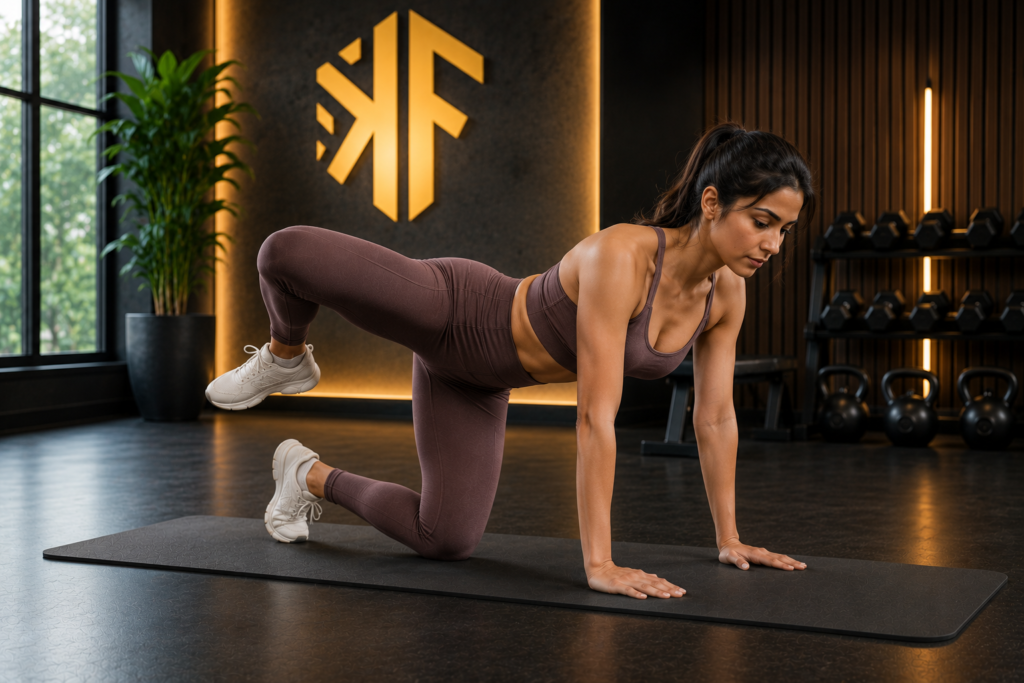
- Fire Hydrants Improves mobility and strength
Glute Anatomy
Gluteus Maximus
This is the largest muscle. It helps in hip extension and powerful movements like running and lifting.
Gluteus Medius
This muscle controls hip stability. It prevents knee collapse during walking and running.
Gluteus Minimus
This supports balance and keeps the hips aligned during movement.
Training Strategy
Progressive Overload
Increase weight or reps slowly over time.
Glute Activation
Start with activation exercises before heavy training.
Proper Form First
Focus on correct technique before adding weight.
Mind-Muscle Connection
Squeeze your glutes in every repetition.
Training Frequency
Train glutes 2–3 times per week.
Nutrition (Protein Focus)
Eat enough protein to support muscle recovery.
Rest & Recovery
Give your muscles time to grow and repair.
Signs of Weak Glutes
- Lower back pain
- Knee discomfort
- Poor balance
- Difficulty climbing stairs
- Weak hip control
- Muscles overcompensating
Weekly Glute Plan
Day 1 (Strength Focus):
- Hip Thrust
- Squats
- Romanian Deadlift
Day 2 (Activation Focus):
- Glute Bridge
- Kickbacks
- Clamshells
Day 3 (Functional Training):
- Lunges
- Step-Ups
- Fire Hydrants
How It Works
The glutes are a group of three muscles. They help in hip movement, stability, and power generation. When trained properly, they support the entire lower body. Strong glutes reduce pressure on joints and improve movement efficiency
Key Benefits
- Improves posture and spinal alignment
- Reduces risk of knee and back injuries
- Increases strength and power
- Enhances balance and stability
- Boosts athletic performance
- Burns more calories
Why This Matters
Ignoring glute strength can create serious problems over time. Many people sit for long hours, which weakens the glutes. This leads to muscle imbalance and poor movement patterns.
Common issues include:
- Lower back pain
- Knee stress
- Poor posture
- Low power in movement
Strong glutes fix these problems and improve overall body function.
Common Mistakes to Avoid
- Lifting heavy with poor form
- Skipping warm-up
- Not activating glutes before training
- Training too often without rest
- Ignoring nutrition
Pro Tips (KHOFIT Style)
- Start light and stay consistent
- Focus on quality, not quantity
- Control every movement
- Train smart, not just hard
- Combine strength with mobility
FAQs
Q: How long does it take to see results?
You can see results in 4–8 weeks with consistency.
Q: Can I train glutes every day?
No. Muscles need rest to grow.
Q: Are squats enough for glutes?
No. Combine squats with hip thrusts and isolation exercises.
Strong glutes are the foundation of a strong body. They support movement, reduce pain, and improve performance. Stay consistent, focus on form, and follow a structured plan. Results will follow with time.