
You will learn about safe exercises during pregnancy, what activities to avoid, important safety tips, and the benefits of staying active. Everything is explained in a simple way so you can feel confident and informed
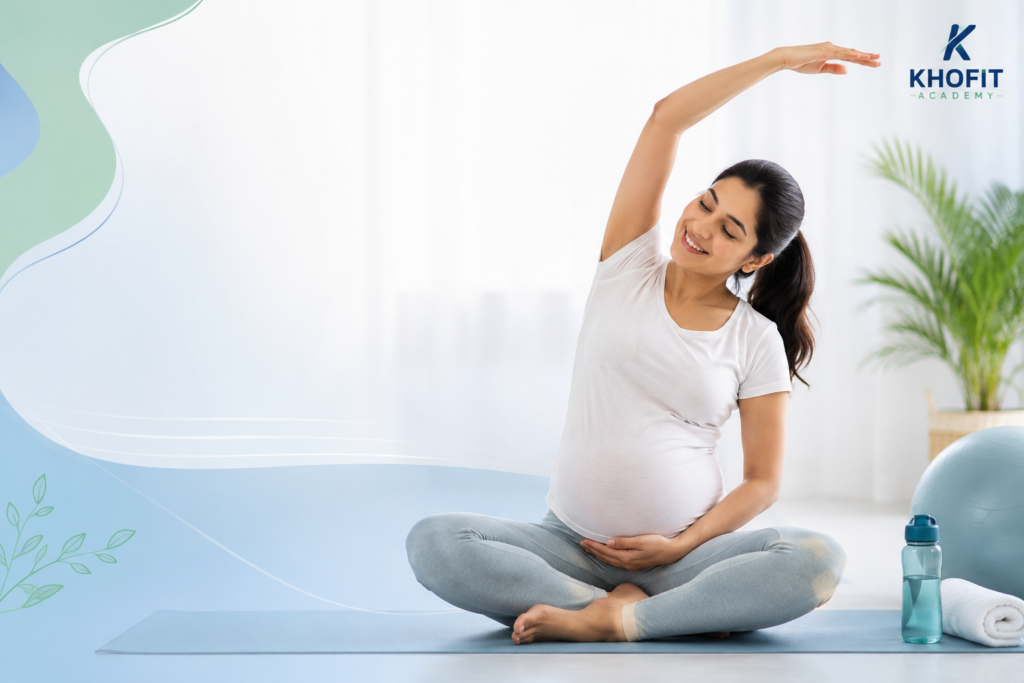
Recommended Exercises During Pregnancy
Aerobic Activities
Aerobic exercises are activities that help your heart beat faster and improve your breathing. These exercises are very helpful during pregnancy because they improve blood flow, increase stamina, and keep your heart healthy. Simple activities like walking are one of the safest and easiest ways to stay active. You can start with short walks and slowly increase your time as you feel comfortable.
Swimming and water aerobics are also excellent choices because water supports your body weight and reduces stress on your joints. This makes movement easier and more comfortable, especially as your belly grows. Stationary cycling and low-impact aerobics are other safe options that help you stay active without putting too much pressure on your body.
If you were already running before pregnancy, you may continue at a comfortable pace, but only if your doctor agrees. The key is to choose activities that feel safe, gentle, and easy to adjust based on your energy levels.
Strength and Core Exercises
Strength exercises help your muscles stay strong and support your growing body. During pregnancy, your body needs extra support, especially for your back, hips, and core. Simple exercises like wall push-ups and squats using a support like a ball can help build strength safely.
Kegel exercises are very important because they strengthen the pelvic floor muscles, which support your baby and help during delivery. Gentle leg raises, seated rowing movements, and resistance band exercises can also improve muscle strength without putting too much strain on your body.
Core exercises like modified side planks can help improve stability and posture, but they should always be done slowly and carefully. The goal is not to push hard but to move in a controlled and comfortable way.
Flexibility and Alignment
Flexibility exercises help your body stay relaxed and reduce muscle tension. Activities like prenatal yoga and Pilates are great for improving flexibility, posture, and mental calmness. These exercises also focus on breathing, which can be very helpful during labor.
Gentle stretches for your calves, hamstrings, neck, and shoulders can reduce stiffness and improve blood flow. Movements like neck rolls and shoulder rotations can also help release stress built up in your body.
Practices like forward-leaning positions and proper body alignment can support your posture as your body changes. These exercises are not just about physical health but also help you feel more relaxed and emotionally balanced.
Safety Guidelines for Exercising During Pregnancy
Routine and Practice
Before starting any exercise routine, it is very important to consult your healthcare provider. Every pregnancy is different, so getting professional advice ensures that you are making safe choices. In general, pregnant women are advised to aim for about 150 minutes of moderate exercise per week.
You do not need to do everything at once. You can divide your exercise into small sessions throughout the week. Always start with a warm-up to prepare your body and end with a cool-down to relax your muscles.
It is very important to listen to your body. If something feels uncomfortable or painful, it is best to stop and rest. Your body will give you signals, and paying attention to them is the safest way to exercise.
Physical Care Tips
Taking care of your body during exercise is just as important as the exercise itself. Staying hydrated is very important, so make sure to drink enough water before, during, and after your workout. Eating a light meal before exercising can also help maintain your energy levels.
Avoid getting too hot while exercising, as overheating can be harmful. Wear comfortable clothes and a supportive sports bra to reduce strain on your body. Choosing proper shoes with a good grip can help prevent slipping and keep you safe.
Simple habits like these can make your exercise routine safer and more comfortable.
Activities to Avoid During Pregnancy
High-Risk Sports
Some activities carry a higher risk of injury and should be avoided during pregnancy. Contact sports like football or basketball can lead to sudden impacts, which can be dangerous. Activities like horseback riding, downhill skiing, and skydiving also carry a high risk of falling.
Scuba diving should be avoided because it can affect oxygen levels, which may harm the baby. These activities are risky because they can lead to injuries or reduce the oxygen supply needed for healthy development.
Unsafe Conditions
There are also certain conditions where even simple exercises can become unsafe. Hot yoga or hot Pilates should be avoided because high temperatures can cause overheating. After the first trimester, lying flat on your back for long periods can reduce blood flow.
Overexertion, or pushing your body too hard, should also be avoided. Sudden, jerky movements or exercises that increase the risk of falling are not safe during pregnancy. It is always better to choose slow, controlled, and stable movements.
Warning Signs to Stop Exercising
Physical Symptoms
While exercising, it is important to notice how your body feels. If you experience dizziness, fainting, or chest pain, you should stop immediately. Severe headaches, unusual pain, or swelling in your legs can also be warning signs that something is not right.
These symptoms should never be ignored, and it is important to seek medical advice if they occur.
Pregnancy-Specific Concerns
There are some signs that are directly related to pregnancy and need immediate attention. Vaginal bleeding or leaking fluid is a serious concern and requires medical help. If you notice reduced movement of your baby or feel regular contractions, you should stop exercising and contact your doctor right away.
Your safety and your baby’s safety always come first.
Benefits of Exercise During Pregnancy
Physical Health Benefits
Regular exercise during pregnancy can help reduce common problems like back pain and improve your overall comfort. It can also help you manage your weight in a healthy way and reduce the risk of conditions like preeclampsia and gestational diabetes.
Exercise also strengthens your muscles and improves bladder control, which can reduce issues like urinary leakage. Staying active helps your body function better and keeps you feeling stronger throughout your pregnancy.
Labor and Delivery Benefits
Exercise prepares your body for labor by improving muscle strength and endurance. Strong muscles and better stamina can make the process of delivery easier and less tiring. Proper pelvic alignment also supports smoother labor.
Women who stay active during pregnancy often experience faster recovery after delivery. Their bodies are better prepared to return to normal activities, which makes postpartum recovery easier and quicker.
Conclusion
Exercise during pregnancy is not something to fear. When done correctly, it is one of the best things you can do for your health and your baby’s well-being. The key is to focus on consistency rather than intensity and choose exercises that feel safe and comfortable.
Always listen to your body and take rest when needed. Every pregnancy is different, so it is important to follow guidance from healthcare professionals. Staying active, even in small ways, can make a big difference in how you feel throughout your journey.
Start simple. Even a short walk each day is a great beginning. Take care of your body, stay consistent, and enjoy this special phase of life with confidence.