
Basics of Exercise During Pregnancy
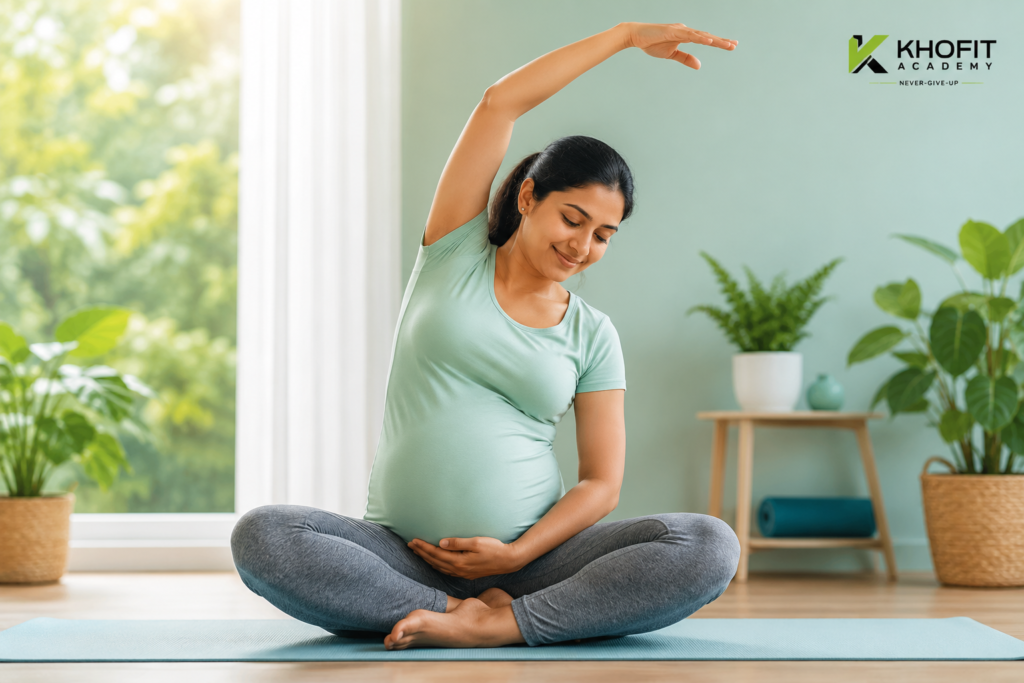
Exercise during pregnancy means doing safe and simple physical activities to support both your body and your baby. It helps you stay active, maintain strength, and improve overall health during all stages of pregnancy. You do not need intense workouts; even light and consistent movements are enough to make a difference.
For most women, exercise during pregnancy is safe and highly beneficial. However, it is important to follow the correct methods and avoid overexertion. Before starting any routine, you should consult your doctor to ensure there are no medical concerns.
Some women need extra care while exercising. If you have a high-risk pregnancy, medical conditions, or past complications, you must strictly follow professional medical advice and choose only approved activities.
Benefits of Exercise During Pregnancy
Exercise provides many physical benefits during pregnancy. It helps manage healthy weight gain, improves heart health, and reduces common discomforts like body pain and fatigue. Staying active also helps your body prepare for the physical demands of delivery.
Mental health improves with regular exercise. It reduces stress, lowers anxiety levels, and boosts mood by releasing positive hormones. Many women also experience better sleep quality when they stay active.
From a health perspective, exercise lowers the risk of gestational diabetes and supports a smoother pregnancy journey. It improves overall body function and helps maintain stability as your body changes.
In terms of wellness, exercise improves blood circulation, reduces back pain, and increases daily energy levels. It also supports faster recovery after delivery, helping you return to normal activities more easily.
Safety Guidelines
Safety should always come first during pregnancy exercise. You should always talk to your doctor before starting, drink enough water, and include proper warm-up and cool-down in your routine. Avoid pushing your body too hard, and listen to how you feel during every session.
There are certain warning signs where you must stop exercising immediately. These include dizziness, vaginal bleeding, chest pain, breathing difficulty, or fluid leakage. Ignoring these signs can be dangerous, so it is important to act quickly.
As your pregnancy progresses, your body changes in each trimester. After the first trimester, avoid lying flat on your back for long periods. Your balance also changes, so move slowly and carefully to prevent falls or injury.
Best Exercises for Pregnant Women
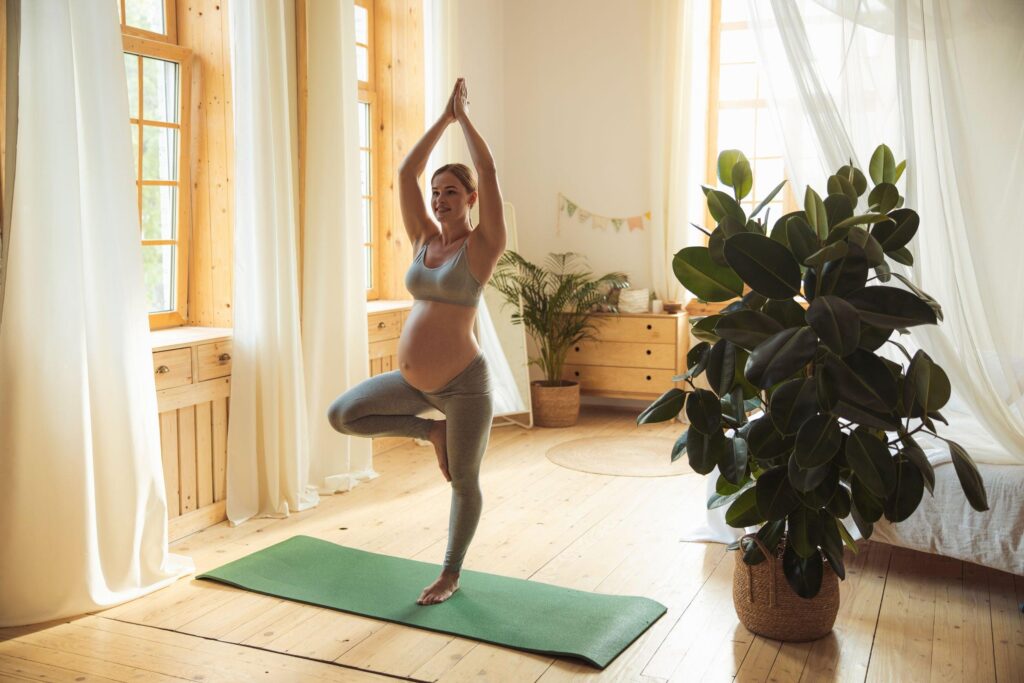
Cardio exercises help keep your heart strong and improve endurance. Walking is the easiest and safest option for daily activity. Swimming and stationary cycling are also excellent choices because they are gentle on the joints and reduce strain on the body.
Strength exercises are important to support your muscles and joints. Light weight training, resistance bands, and pelvic floor exercises like Kegels help improve strength and stability without putting too much pressure on the body.
Bodyweight exercises are simple but effective. Movements like squats, wall push-ups, hip bridges, and side leg lifts help maintain muscle strength and support posture during pregnancy.
Low-impact exercises are the safest and most recommended. Gentle stretching, yoga, and breathing exercises help improve flexibility, reduce tension, and keep your body relaxed.
Exercises to Avoid
Some activities carry a higher risk and should be avoided during pregnancy. Contact sports like boxing or football, and activities with a risk of falling such as horse riding or skiing, can lead to injury and should not be performed.
Certain movements are also unsafe. Jumping exercises, heavy lifting, and deep abdominal crunches increase pressure on the body and may harm both the mother and the baby. It is always better to choose controlled and low-impact movements.
Trimester-Based Exercise Plan
In the first trimester, the focus should be on building a habit. Light exercises are enough, and you should avoid fatigue. The goal is to stay consistent without putting stress on your body.
During the second trimester, your energy levels may improve. This is the right time to focus on strength and stability with moderate intensity exercises. All movements should remain controlled and balanced.
In the third trimester, the focus shifts to mobility and relaxation. Breathing exercises, stretching, and pelvic floor training become important to prepare your body for delivery.
Proper Lifting Technique
Lifting objects during pregnancy should be done with care. Always keep your back straight and bend your knees instead of your waist. Avoid lifting heavy weights, and engage your body gently to prevent strain or injury.
When to Stop Exercising
It is important to understand when to stop exercising. If you feel severe pain, sudden swelling, reduced baby movement, or any unusual symptoms, you should stop immediately. Your safety and your baby’s safety should always be your top priority.
FAQs
Is exercise safe during pregnancy?
Yes, if done correctly and with doctor advice.
How long should I exercise?
20–30 minutes daily is enough.
Can beginners start exercise ?
Yes. Start slow and simple.
What is the best exercise?
Walking is the safest and easiest.
KHOFIT Action Plan
A simple daily routine can help you stay active throughout pregnancy. Start with a 5 minute warmup, followed by 15 minutes of walking, 10 minutes of light exercises, and finish with 5 minutes of stretching. This routine is easy to follow and supports consistency.
Do not aim for perfection during pregnancy fitness. The goal is to stay consistent and active in a safe way. Small efforts done daily can create big results over time.
Start your safe pregnancy fitness journey with KHOFIT Academy simple, guided, and effective.